Fascinating Facts About the Animal Kingdom
Have you ever wondered just how diverse and incredible the animal kingdom truly is? From the deepest oceans to the vast savannas, animals have evolved into an astonishing array of shapes, sizes, and behaviors. Let’s dive into some of the most fascinating facts about the creatures that share our planet.
Life on Earth wouldn’t be the same without the presence of animals. They play crucial roles in ecosystems, and their unique adaptations allow them to thrive in environments that seem inhospitable. Join us as we explore the surprising, sometimes mind-boggling facts that make the animal world so enchanting.

Unusual Sleep Patterns
Dolphins: Masters of Unihemispheric Sleep
Dolphins, like many marine mammals, cannot afford to be completely unconscious. To solve this, they engage in unihemispheric sleep, where one hemisphere of their brain remains active while the other rests. This allows them to surface for air and stay alert for predators.
Giraffes: Minimal Nappers
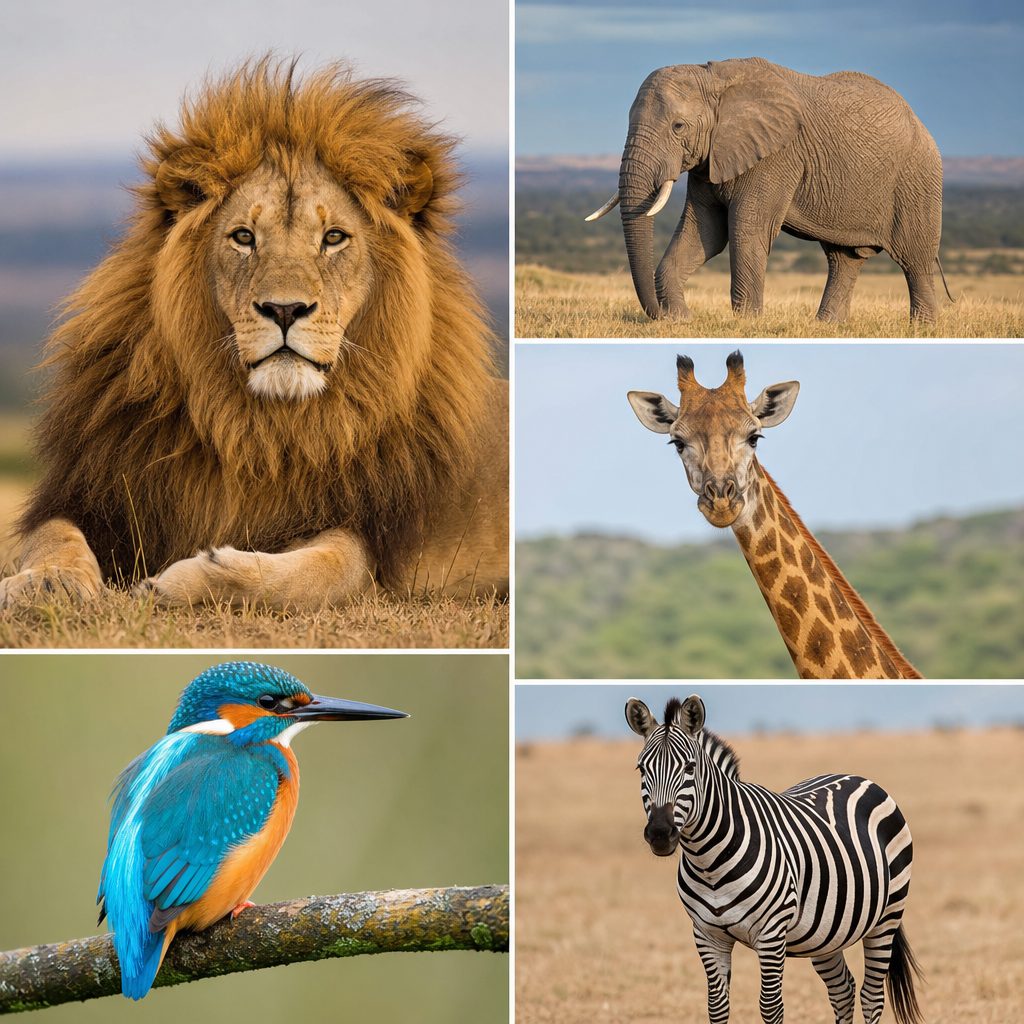
Giraffes, the towering giants of the savannah, only need about 30 minutes to two hours of sleep per day. Their naps are usually brief and taken while standing, readying themselves always to face potential threats.
Astounding Animal Abilities
The Cuttlefish: Master of Disguise
The cuttlefish is a marvel of marine adaptability, known for its ability to change its skin texture and color in an instant. This impressive camouflage skill is a powerful tool for both predation and avoiding predators.
The Tardigrade: Nature’s Survival Expert
Tardigrades, or water bears, are virtually indestructible micro-animals. They can endure extreme temperatures, space radiation, and even years without water, due to a unique biological state called cryptobiosis.
Intriguing Communication Techniques
The Honeybee’s Dance Language
Honeybees communicate the location of food sources through a sophisticated ‘waggle dance’. By moving in specific patterns, they share information about the direction and distance to food sources, a remarkable example of insect communication.
Elephant’s Low-Frequency Rumbles
Elephants communicate using low-frequency rumbles. These sounds can travel over long distances, allowing herd members to stay in touch, coordinate movements, and warn each other of danger.
Symbiotic Relationships in the Animal World
The Clownfish and Sea Anemone
- Clownfish: Gain protection from predators by living among the tentacles of sea anemones.
- Sea Anemone: Benefit from the cleaning and nutrients provided by the clownfish.
The Oxpecker and the Rhinoceros
- Oxpecker: Feeds on ticks and parasites found on the rhinoceros’ skin.
- Rhinoceros: Gains relief from harmful parasites while providing a safe perch for the bird.
Table of Unusual Animal Sizes
| Animal | Size | Notable Feature |
|---|---|---|
| Blue Whale | Up to 100 feet long | Largest animal on Earth |
| Etruscan Shrew | 1.5-3 inches | Smallest mammal by mass |
| Goliath Bird-Eating Spider | Up to 11 inches | Largest spider |
Unexpected Diets and Feeding Habits
The Koala’s Strict Diet
Koalas survive almost exclusively on eucalyptus leaves, which are toxic to most animals. They have adapted unique digestive systems that detoxify the leaves, gaining all essential nutrients from them.
The Leatherback Sea Turtle’s Jellyfish Feast
Leatherback sea turtles primarily consume jellyfish. Their mouths and throats are lined with papillae to protect them from jellyfish stings, allowing them to safely enjoy their gelatinous prey.