The Endless Frontier: Delving into the Mysteries of Space
Space. The final frontier. It’s a realm that has fascinated humanity for millennia. From ancient stargazers to modern astronauts, our curiosity about what’s beyond our earthly confines continues to propel us forward.
But what is it that makes space so intriguing? Perhaps it’s the vastness that humbles us or the promise of undiscovered worlds waiting to be explored. Either way, one thing is certain: the universe is full of mysteries, and we’re just beginning to scratch the surface.

The Scale of Space: Vast and Unimaginable
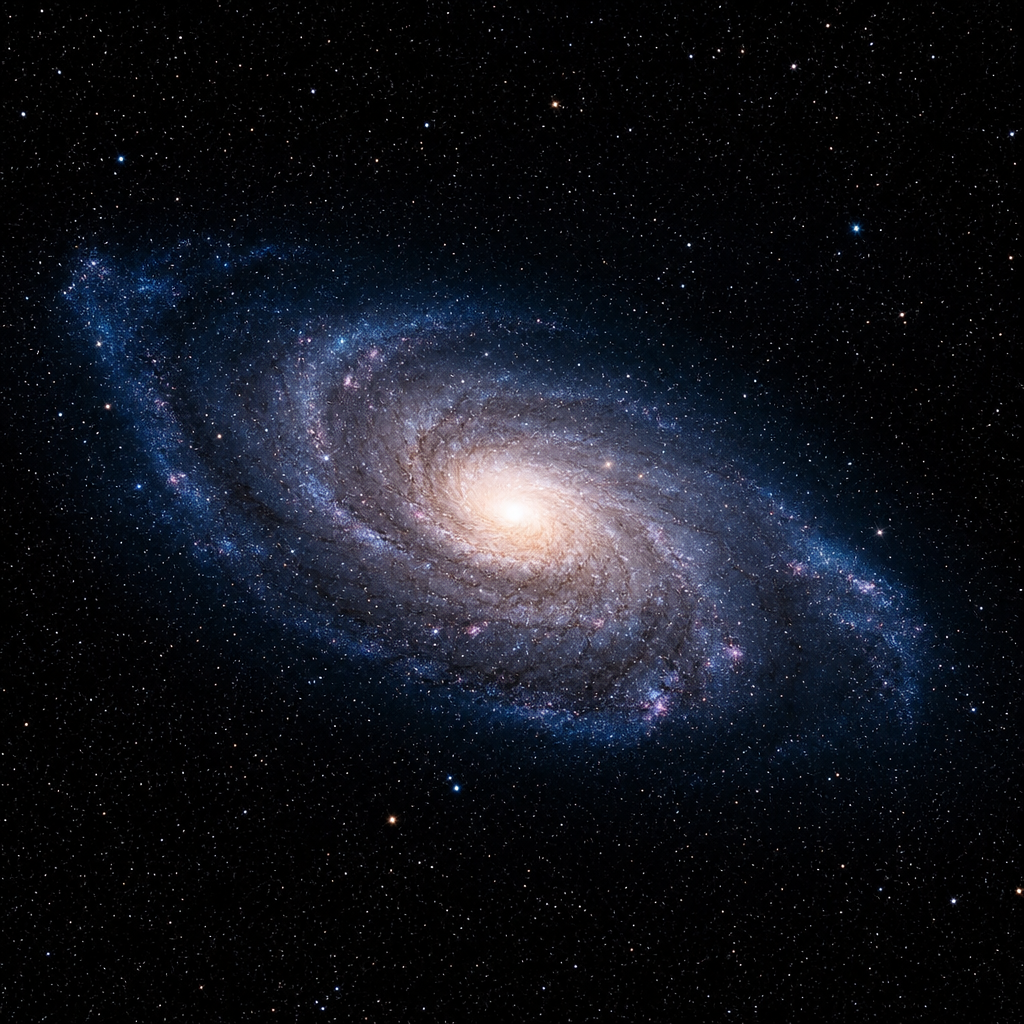
The numbers associated with space are staggering. The universe is approximately 93 billion light-years in diameter, a scale that is difficult to comprehend. The Milky Way galaxy alone contains between 100 to 400 billion stars.
While these numbers are impressive, they also highlight the fact that our galactic neighborhood is just a tiny part of the cosmic stage, prompting the question: How big is the universe?
Galaxies and Beyond
Galaxies come in various shapes and sizes. Some are spiral-shaped like our Milky Way, while others are elliptical or irregular. The Andromeda Galaxy, our closest galactic neighbor, is on a collision course with us.
But worry not—this cosmic event is set to happen in about 4.5 billion years. Doing away with the notion of Earth-centric universes, the observable universe contains over 2 trillion galaxies.
- The smallest known galaxy is Segue 2, with about 1,000 stars.
- The largest is IC 1101, stretching over 6 million light-years in diameter.
Space Exploration: Past, Present, and Future
From the historic steps of Neil Armstrong to the cutting-edge missions of modern space agencies, space exploration is an ever-evolving field. In 1969, Apollo 11’s Moon landing was a giant leap for mankind.
Spacecraft like the Voyager probes sent back rich details of our Solar System’s planets, dramatically extending our reach beyond Earth. The present and future focus is on Mars and beyond, with missions like Perseverance and the eventual manned missions.
Why Mars?
Mars offers a tantalizing hint of life and habitability in the past. With its polar ice caps and potential subterranean lakes, it’s the focal point for understanding Earth’s own water history.
In preparation for human exploration, NASA and other agencies are exploring sustainable living solutions and the effect of long-term space travel on human physiology. Mars rovers continue to explore the terrain for signs of past life.
Black Holes: The Cosmic Enigma
Black holes are among the most mysterious entities in the universe. These regions of spacetime exhibit gravitational pulls so strong that nothing, not even light, can escape.
While detected indirectly through their effects on surrounding matter and light, black holes offer a unique glimpse into the laws of physics and the fabric of the universe.
Types of Black Holes
Not all black holes are created equal. They range from stellar black holes, formed by collapsing stars, to supermassive black holes found at galaxy centers.
Recent discoveries suggest the existence of intermediate-mass black holes, bridging the gap between stellar and supermassive varieties. Each type presents its own set of mysteries.
- Stellar black holes: 3 to 20 times the sun’s mass.
- Supermassive black holes: millions to billions of times the sun’s mass.
Space Technology: From Science Fiction to Science Fact
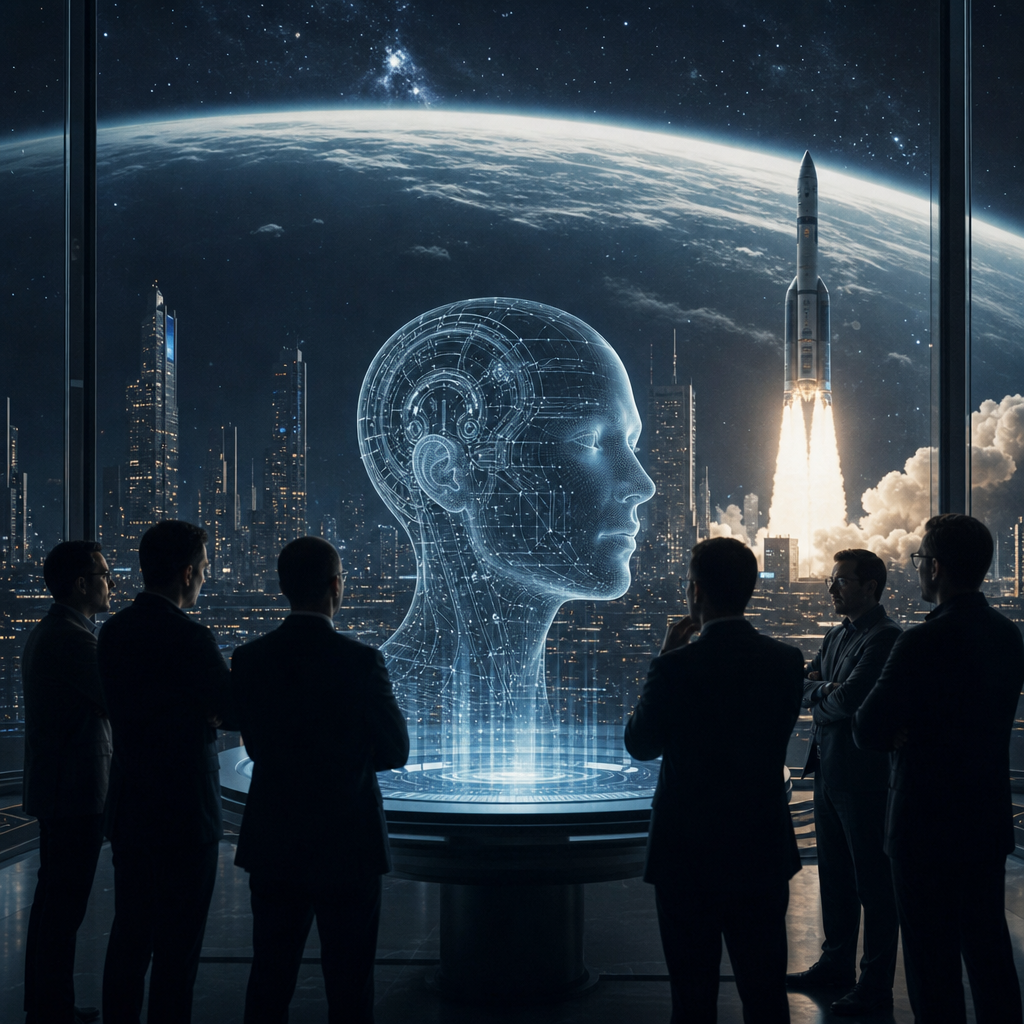
Technological advancements have made the idea of space tourism a near-future reality. Companies like SpaceX and Blue Origin are pioneering commercial flights beyond Earth.
The technological spin-offs from space exploration have fueled advances in other fields, influencing everything from telecommunications to medicine, revealing the broad impact of these cosmic ventures.
| Tech Advance | Space Origin | Earth Application |
|---|---|---|
| Memory Foam | NASA’s aircraft seats | Mattrisses and cushions |
| LEDs | Plant growth experiments | Modern lighting solutions |
| Water Filtration | Space station systems | Clean drinking water solutions |