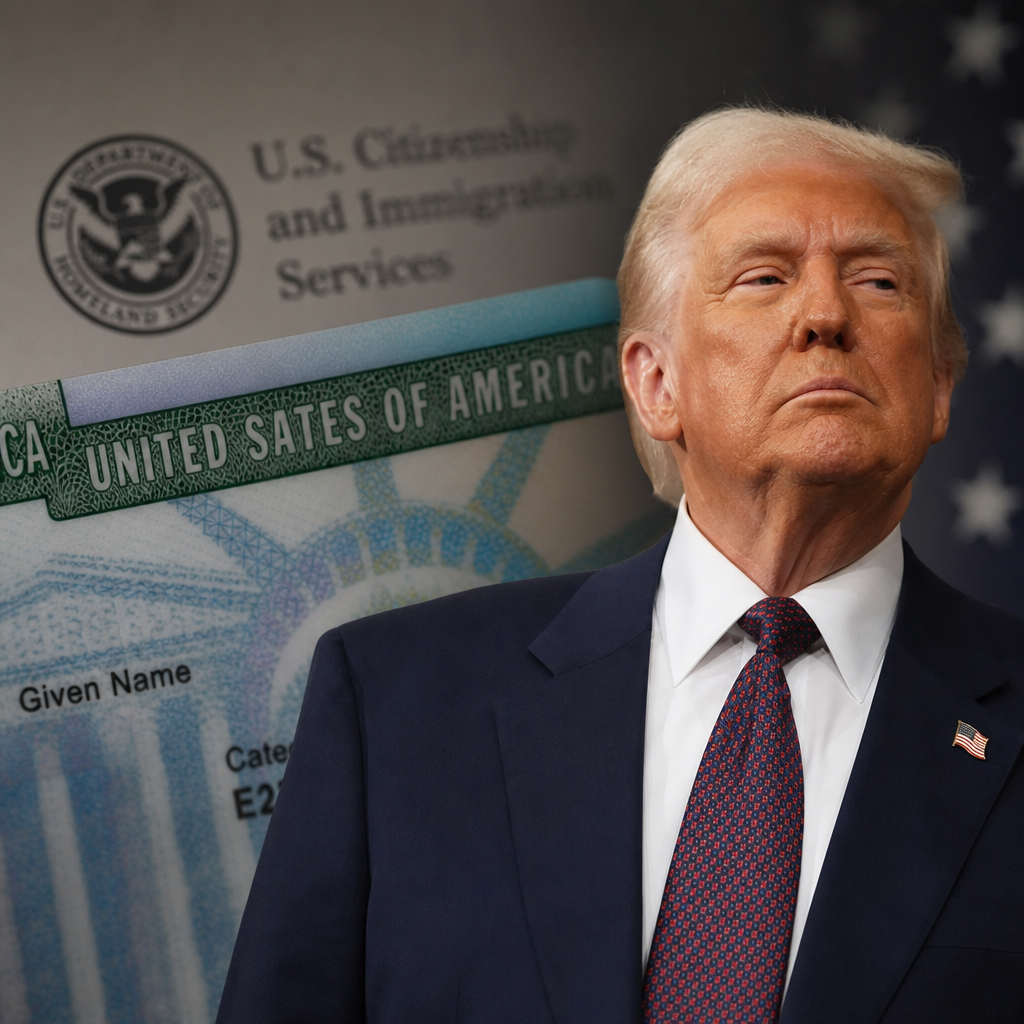
The Evolution of Trump’s Green Card Policy: A Softer Stance
In a surprising turn of events, the Trump administration has recently implemented a softened stance on green card policies. This change has caused ripples across the immigration landscape, leaving citizens, policymakers, and potential immigrants curious about the implications. What prompted this shift, and what does it mean for those seeking permanent residency in the United States?
To understand the significance of this change, it’s important to look back at the previous policies and the motivations behind them. Whether driven by political strategy or humanitarian considerations, the softened policy represents a notable departure from Trump’s earlier restrictive measures.

Background: Trump’s Original Green Card Policies
The Trump administration initially took a hard stance on immigration, significantly impacting green card policies. In efforts to prioritize American workers and curb illegal immigration, numerous restrictions were introduced.
One major component was the ‘Public Charge Rule’ which scrutinized immigrants’ use of public benefits. This rule led to a rise in denied applications, stirring controversy and legal challenges.
The Shift Toward a Softer Policy
Recently, the narrative around green card issuance has shifted. This comes in light of the ongoing pandemic, economic considerations, and political changes. The practicality of maintaining restrictive measures was questioned.
Furthermore, a new administration on the horizon may have indirectly influenced these changes. The softened policies correlate with evolving priorities of some key political figures.
- Introduction of more lenient criteria for public charge assessments
- Expansion of application processing capacities
- Reduction in bureaucratic hurdles for family reunification visas
Impact on Immigrants and Their Families
The softened policies have brought a wave of relief to many immigrant communities. Families separated due to previous restrictions can now hope for quicker reunification.
There’s a renewed sense of optimism for those dreaming of U.S. citizenship, especially for skilled workers who wish to contribute to the American economy.
Challenges and Considerations
Despite positive changes, challenges remain. Long processing times and legal backlogs continue to frustrate many applicants.
Moreover, detractors argue that softened policies may strain public resources and labor markets. Balancing these challenges requires careful, nuanced policymaking.
Future Outlook: Sustainability of the New Policies
The long-term sustainability of these new policies hinges on several factors, including the political climate and economic trends. There remains uncertainty whether future administrations will maintain or revert these changes.
Just as the policy has shifted now, it may evolve anew in the coming years. Continuous dialogue and adaptation will be key in shaping the immigration landscape.
| Year | Policy Change |
|---|---|
| 2017 | Introduction of the Public Charge Rule |
| 2021 | Reduction in processing hurdles for family visas |
| 2023 | Softer criteria for public charge assessments |
Conclusion: Navigating the New Era of Immigration Policies
The Trump administration’s softened green card policy is a reminder of how immigration policies are intertwined with broader societal forces.
At its core, this shift reflects a complex balancing act between protecting national interests and embracing the diversity that strengthens the nation.