Meta’s Bold Move: AI-Powered Smart Glasses with a Price Tag
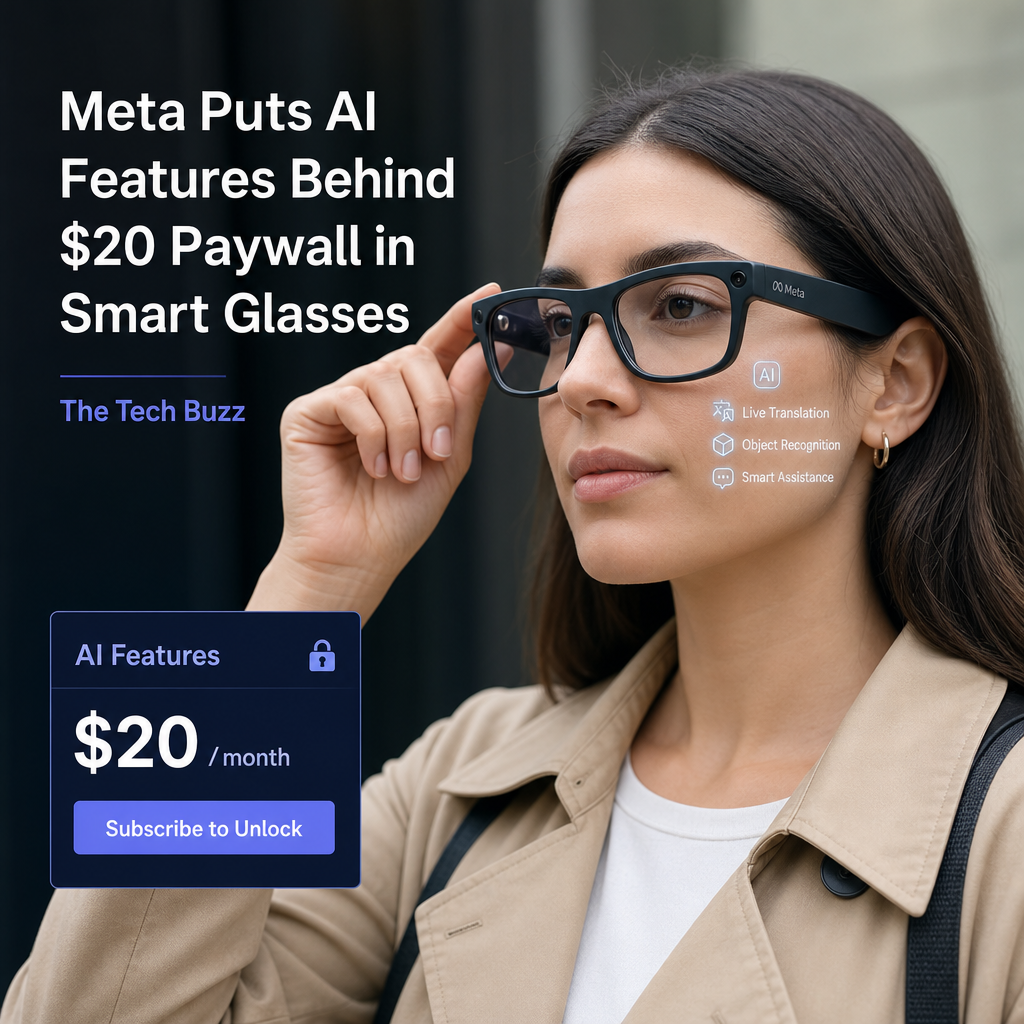
The world of technology is evolving at breakneck speeds, and big players like Meta are constantly pushing the boundaries. In a surprising turn of events, Meta has decided to lock some of its sophisticated AI features in smart glasses behind a $20 paywall. This move has created a buzz and sparked a debate about the future direction of wearable tech.
While smart glasses have been around for a while, adding AI features brings them to a whole new level. Yet, the decision to monetize these features has left many questioning the balance between innovation and accessibility. How does this affect the consumer market, and what does it mean for the future of AR technology?

The Evolution of Smart Glasses
Smart glasses have come a long way since their inception. From Google Glass to the latest iterations by various tech companies, the evolution has been remarkable. Initially touted as niche gadgets, smart glasses are gradually finding their place in mainstream technology.
Meta’s push into the smart glasses arena with advanced AI features is a testament to this evolution. By integrating AI, Meta aims to enhance the user experience, providing personalized and intuitive functionalities.
Unpacking Meta’s AI Features
Meta’s smart glasses offer a blend of augmented reality and AI. These features include real-time language translation, enhanced navigation, and social media integration. Through these capabilities, users can enjoy a more immersive and interactive experience.
- Real-Time Translation: The glasses can translate languages in real-time, making communication across borders seamless.
- Enhanced Navigation: With AI-powered navigation, users can explore new areas without ever needing to glance at their phones.
- Social Media Integration: Share moments and experiences instantly with your social media networks directly from your glasses.
The Paywall Debate
Introducing a $20 paywall for these features has sparked debates about accessibility. The question remains whether such innovation should come at a premium, especially when it could revolutionize day-to-day life for many users.
While some argue that the fee is justifiable given the advanced technology, others believe it creates an unnecessary barrier to the democratization of tech. This move by Meta might be a pivotal moment that tests consumer willingness to pay for premium features in wearable tech.
How This Affects the Market and Consumers
The tech world is watching closely to see how consumers respond to this monetization strategy. There’s potential for this model to shape the future of AI-powered wearables. If successful, other companies might follow suit, leading to a new standard in tech pricing models.
Consumers, on the other hand, have varied reactions. Tech enthusiasts may find the paywall a reasonable exchange for cutting-edge features, while others may seek alternatives that offer similar capabilities without the additional cost.
| Feature | Description |
|---|---|
| Real-Time Translation | Translate languages on the go, facilitating easier global communication. |
| Enhanced Navigation | AI-driven navigation for improved exploration without the need for a smartphone. |
| Social Media Integration | Directly connect with social platforms to share experiences instantly. |
The Future of AI in Wearables
As AI technology continues to advance, its integration into wearables like smart glasses is expected to grow. These innovations hold the potential to transform how we interact with the world, making everyday tasks more intuitive.
However, the success of this integration largely relies on how accessible these technologies remain to the general public. Meta’s decision could either pave the way for more inclusive tech or create a precedent for exclusive, premium-based models in the industry.