The Impact of AI on Jobs: A Looming Threat or a Catalyst for Change?
In recent years, artificial intelligence has rapidly transformed various industries, prompting both excitement and apprehension about its potential to reshape the workforce. As AI leaders express concerns about technology’s impact on jobs, workers are beginning to brace themselves for a paradigm shift that could redefine their careers.
While some view AI as a threat to job security, others see it as a chance to innovate and grow. This article delves into the multifaceted effects of AI on employment, examining both the dangers and opportunities it presents.

The Double-Edged Sword of AI
AI holds the power to significantly increase efficiency, driving productivity to new heights. However, this rapid advancement also raises concerns about job displacement.
The automation of routine tasks could lead to widespread redundancy in certain sectors, forcing workers to adapt to new roles and develop new skills.
Industries Most Vulnerable to AI Disruption
- Manufacturing: With AI-driven machines and robots, manufacturing processes are becoming increasingly automated.
- Customer Service: Chatbots and virtual assistants are replacing human agents, streamlining customer interactions.
- Transportation: Self-driving technology poses a potential threat to traditional driving jobs.
Despite these challenges, some sectors might experience a surge in demand for skilled workers capable of managing and maintaining AI systems.
The Skill Gap: A Challenge and Opportunity
To stay relevant in an AI-dominated future, workers must bridge the skill gap by embracing continuous learning and upskilling.
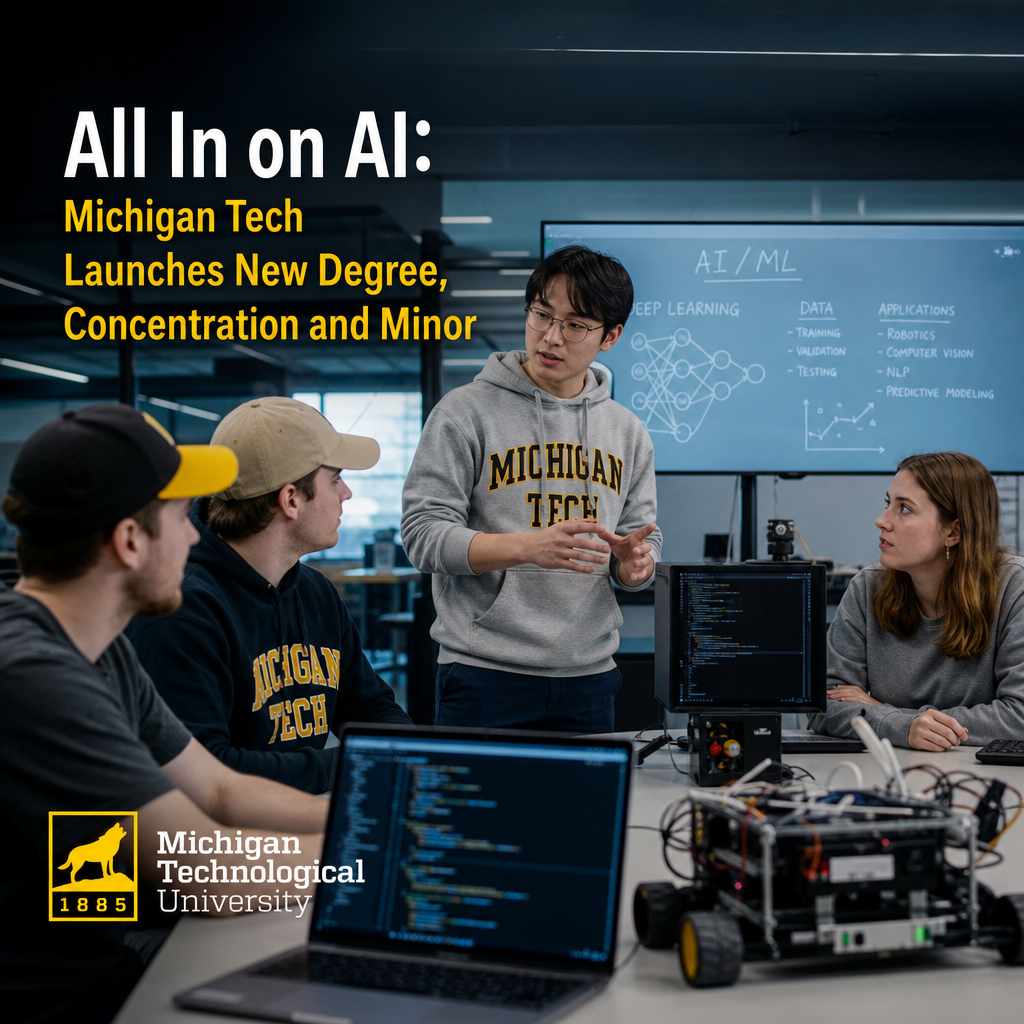
Many educational institutions and tech companies are already offering programs to equip workers with the necessary skills in AI, data analysis, and digital literacy.
| Skill | Description |
|---|---|
| Coding | Understanding programming languages to create and manage AI systems. |
| Data Analysis | Interpreting large datasets to derive actionable insights. |
| Digital Literacy | Proficiency in using digital tools and platforms. |
Embracing Change: The Path Forward
- Adaptive Learning: Workers must adapt to new technologies and develop a growth mindset.
- Collaboration: Encouraging collaboration between humans and AI can lead to innovative solutions.
- Policy Development: Governments and organizations must create policies that safeguard workers’ rights while fostering AI innovation.
Ultimately, AI’s impact on jobs depends on how society chooses to harness its potential. By addressing the skill gap and fostering collaboration, we can mitigate potential risks and pave the way for a future where technology and human ingenuity coexist harmoniously.