The Controversy of Using AI to Analyze Mail-In Ballots: A Deep Dive
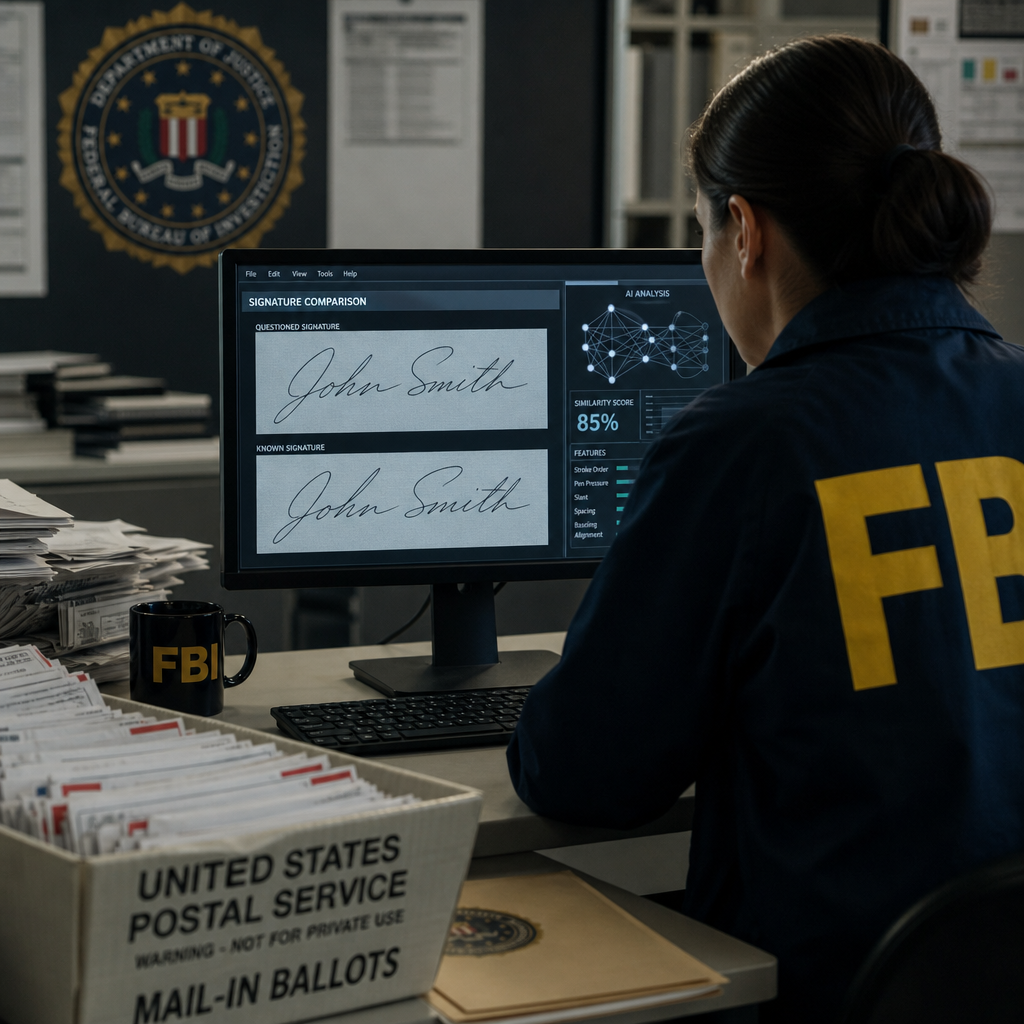
In the ever-evolving landscape of technology and politics, the intersection of artificial intelligence and election integrity is creating ripples. Recent revelations by ProPublica about the FBI’s exploration into using AI technologies to scrutinize mail-in ballot signatures have sparked a debate that is both fervent and consequential.
As we delve into this topic, it is crucial to understand the stakes involved. Mail-in voting, particularly in the United States, has become a cornerstone of the democratic process. Yet, the incorporation of AI into this sensitive arena raises questions about accuracy, bias, and trust.

Understanding the Role of AI in Signature Verification
Signature verification technologies serve as guardians of electoral legitimacy. Traditionally, humans have had the primary responsibility for validating these signatures against voter files. However, AI offers a faster, more efficient alternative.
AI-driven signature verification tools promise to reduce the labor-intensive process of manual review. Companies claim that these systems can analyze vast numbers of ballots quickly, potentially speeding up the electoral process.
The Technology Behind AI Signature Verification
AI algorithms used in signature verification typically rely on machine learning. These systems are trained with thousands of both authentic and forged signatures to identify subtle differences with high accuracy.
The challenge remains whether such systems can generalize well across diverse handwriting styles. Factors like ink flow, angle of signing, and writing pressure can affect the outcome.
Challenges and Concerns
Despite their advantages, AI technologies in election processes are not without controversy. Skeptics argue that these systems may inherit biases from their training data, leading to potential disenfranchisement.
- Bias in Training Data: If a system is trained on a non-representative dataset, it may inaccurately label certain signatures.
- Transparency and Trust: The black-box nature of some AI systems can result in a lack of transparency, fueling distrust among voters.
- Legal and Ethical Implications: Handing over election responsibilities to AI raises questions about accountability and legal standing.
Examining Real-World Application
Several jurisdictions have started piloting AI for signature verification with varying degrees of success. Studies on its effectiveness are still ongoing, with initial results indicating both successes and pitfalls.
It’s vital to observe how these systems perform under the pressure of a real election environment, with the additional scrutiny it brings.
Case Study: The 2020 U.S. Election
In the 2020 U.S. presidential election, mail-in voting surged due to the pandemic. Some areas experimented with AI to handle the deluge of ballots. However, the results were mixed.
While some AI systems achieved reasonable accuracy, questions about fairness and transparency resulted in increased scrutiny and criticism from various groups.
Conclusion: Navigating the Future of AI in Elections
The integration of AI into mail-in ballot verification is an intriguing but complex proposition. It represents a potential step forward in election technology, yet also poses significant ethical and logistical challenges.
The debate will continue as stakeholders weigh the pros and cons of implementing these technologies, emphasizing the need for a balanced approach to safeguard the integrity of democratic processes while embracing innovation.
Implications of AI in Elections
| Pros | Cons |
|---|---|
| Increased Efficiency | Potential Bias |
| Speedier Processing | Lack of Transparency |
| Cost-Effective | Legal Challenges |