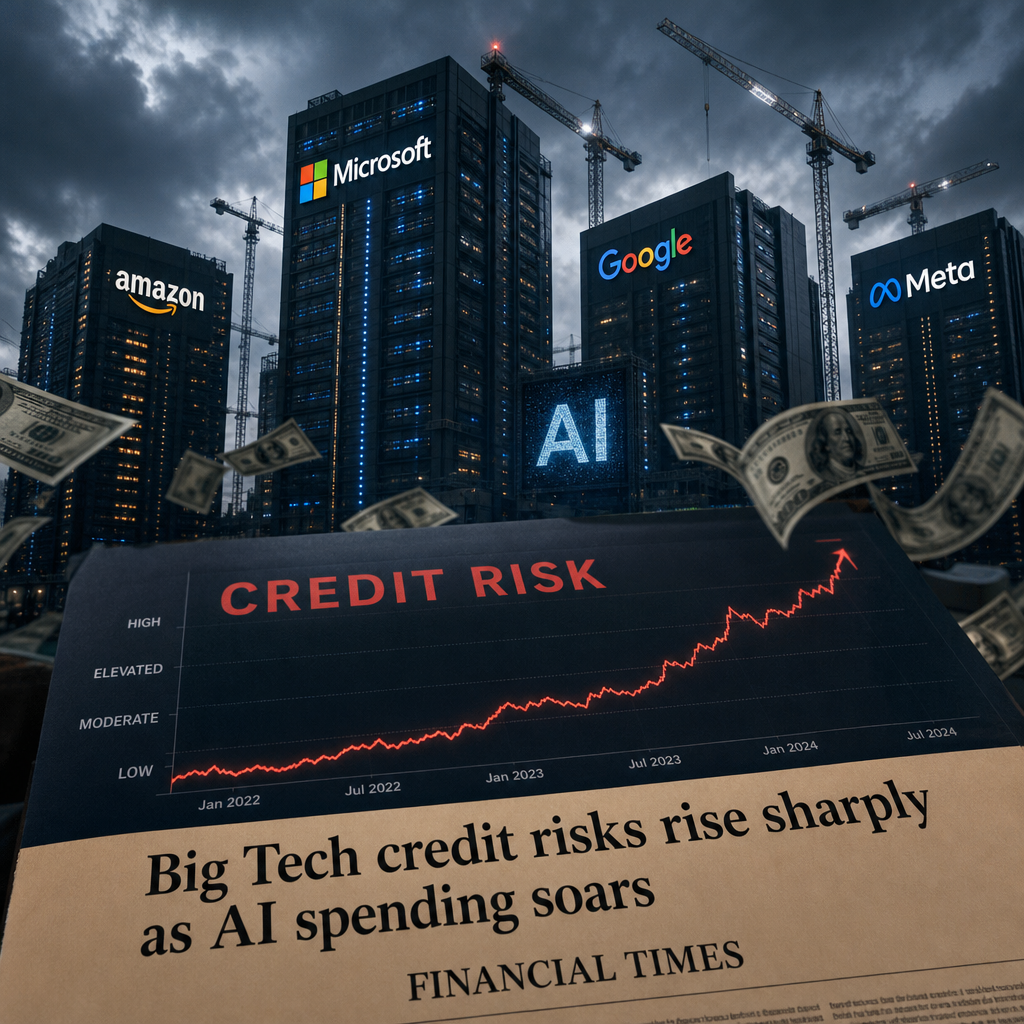
The Rising Credit Risks of Big Tech as AI Investment Skyrockets
Artificial Intelligence, once the domain of speculative fiction, is now a pervasive force shaping industries across the globe. Underpinning the allure of AI is its promise to revolutionize how businesses operate, innovate, and compete. However, as AI spending soars, its impact on the financial stability of Big Tech is becoming a topic of increasing concern.
The race to lead in AI innovation has prompted Big Tech companies to allocate vast sums towards research, development, and deployment. While the potential returns are enticing, the financial risks associated with these investments are mounting as well. Profound transformations seldom come without their share of challenges.

Understanding the Surge in AI Investment
The Driving Forces
Several factors are propelling the aggressive push towards AI. Companies are betting on AI’s ability to streamline operations, reduce costs, and enhance product offerings. The competitive pressure to stay ahead is palpable.
Budget Allocations
Big Tech firms are pouring billions into AI projects. This unprecedented investment is not only reshaping their budgets but also re-defining their financial landscapes.
Financial Implications and Credit Risks
Increased Leverage
With large capital expenditures on AI, companies are increasingly relying on debt. While this fuels growth, it simultaneously increases their financial liabilities.
Volatility and Market Perception
As AI breakthroughs can be unpredictable, market reactions can vary wildly. Investor confidence, shaped by both successes and setbacks, significantly impacts credit ratings.
- Pros: Potential for high returns on investment, market leadership.
- Cons: Higher debt ratios, fluctuating market confidence.
Case Studies
Company A: A Cautionary Tale
This tech giant ventured into AI with grand ambitions but faced unforeseen challenges. The impact on its credit rating serves as a lesson in risk management.
Company B: Navigating the Risk
Despite similar challenges, this firm managed to maintain a balanced portfolio, showcasing that strategic planning can mitigate financial risks.
Mitigating Strategies
Adaptive Financial Planning
Companies must adopt dynamic financial strategies that align with AI’s inherent uncertainties.
Diversification and Risk Assessment
By diversifying investments and conducting thorough risk assessments, firms can better navigate the turbulent waters of AI investment.
| Company | AI Investment (in billion $) | Debt Impact |
|---|---|---|
| Company A | 5 | Increased by 30% |
| Company B | 3 | Increased by 10% |
The Future Outlook
Balancing Innovation and Stability
As AI defines the future, Big Tech must find equilibrium between innovation-driven ambitions and maintaining financial stability.
Collaborative Efforts
The path forward involves collaboration among stakeholders to build resilient financial ecosystems capable of weathering the volatility of massive AI ventures.