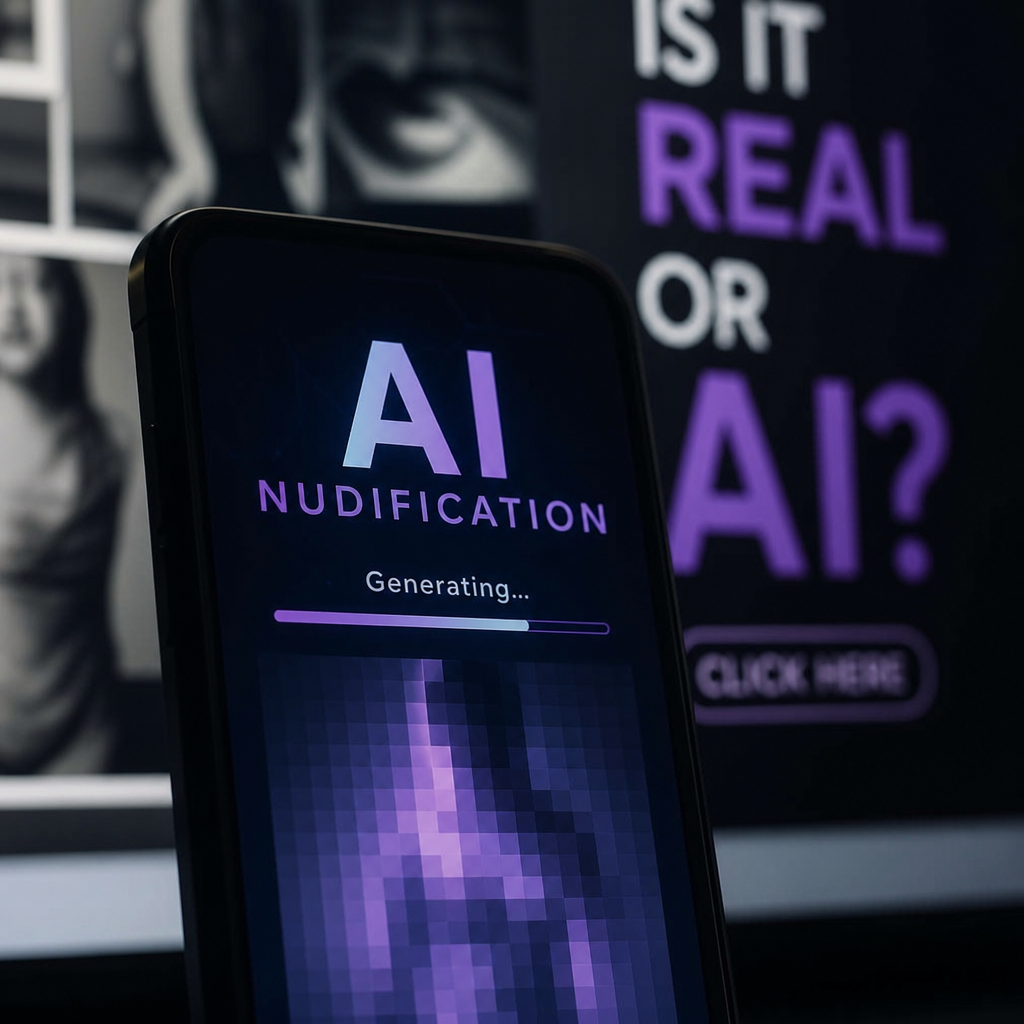
Minnesota’s Landmark AI Nudification Ban: A New Era in Digital Policy
In a groundbreaking move, Minnesota has enacted the United States’ first ban on AI-driven ‘nudification’ technology. This decision propels the state to the forefront of digital privacy and ethics, sparking both excitement and criticism.
As technology advances at lightning speed, the state’s bold legislative action highlights the growing need to grapple with AI’s ethical implications. What does this mean for the future of such technology, and how does it affect individuals, industries, and policy-making?

Understanding AI Nudification Technology
AI nudification refers to the use of artificial intelligence to digitally alter images, providing the illusion of nudity for individuals originally clothed. It raises serious ethical and privacy concerns, as it blurs lines between reality and digital manipulation.
The Ethical Challenges
The advent of AI nudification has posed ethical challenges around consent and privacy. Unlike conventional image alterations, this technology often involves unauthorized uses that can deeply affect individuals’ lives.
- Consent issues.
- Privacy violations.
- Potential for misuse and harassment.
How the Ban Came to Be
Driven by reports of misuse and public outrage, Minnesota lawmakers drafted this unprecedented legislation. The bill’s journey was marked by debate and resistance, raising questions about its enforceability and potential ripple effects.
Challenges in Implementing the Ban
Implementing the ban isn’t without obstacles. Critics note the difficulties in tracking and regulating a digital technology that transcends borders. Moreover, balancing digital freedom and protection remains a complex issue.
Despite this, Minnesota’s attempt serves as a template for similar initiatives worldwide, encouraging a global conversation on digital ethics.
Industry Reactions
Industries related to AI and digital content creation have shown mixed reactions. While some support the ethical precedent, others express concern over innovation constraints and state regulation of technology.
The Future of AI Regulations
This landmark decision has ignited a wider discussion on AI regulations. As AI’s capabilities expand, how should society regulate its application? The Minnesota ban might be a stepping stone towards a more comprehensive international framework.
| Concern | Impact |
|---|---|
| Privacy | Heightened protection |
| Innovation | Potential constraints |
| Enforcement | Implementation challenges |
Potential Global Influence
Minnesota’s decision could influence other states and even countries. As the world watches closely, this case may pave the way for future regulations in other domains where AI’s influence looms large.