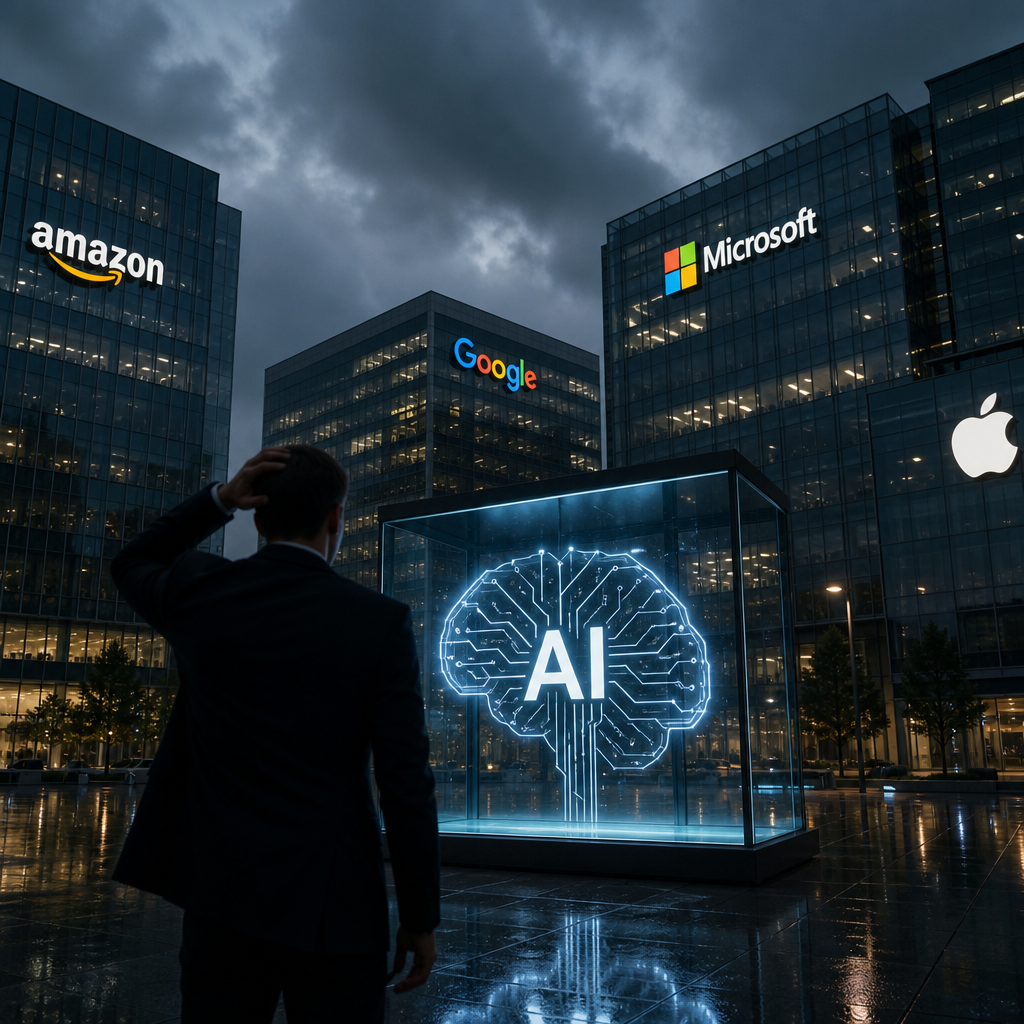
In a world where technology shapes the future, one might assume the pitfalls of the past have been left behind. However, the resurgence of creative accounting devices reminiscent of those that brought down Enron poses a compelling narrative.
Big Tech’s embrace of AI isn’t just transforming industries; it’s also reviving some questionable accounting practices. As these corporate giants continue to expand their financial footprints, it’s essential to understand the methods propelling them forward and the lessons from history they might be unknowingly repeating.

The Rise of Big Tech’s AI Fascination
Artificial Intelligence (AI) has become the crown jewel of technological advancement. Companies like Google, Amazon, and Microsoft are investing billions to harness its potential.
This AI spree is not just about innovation; it’s also about maintaining dominance in a competitive market. However, the push for rapid growth and technological prowess often comes with financial gymnastics reminiscent of the early 2000s.
The Dangerous Echoes of Enron
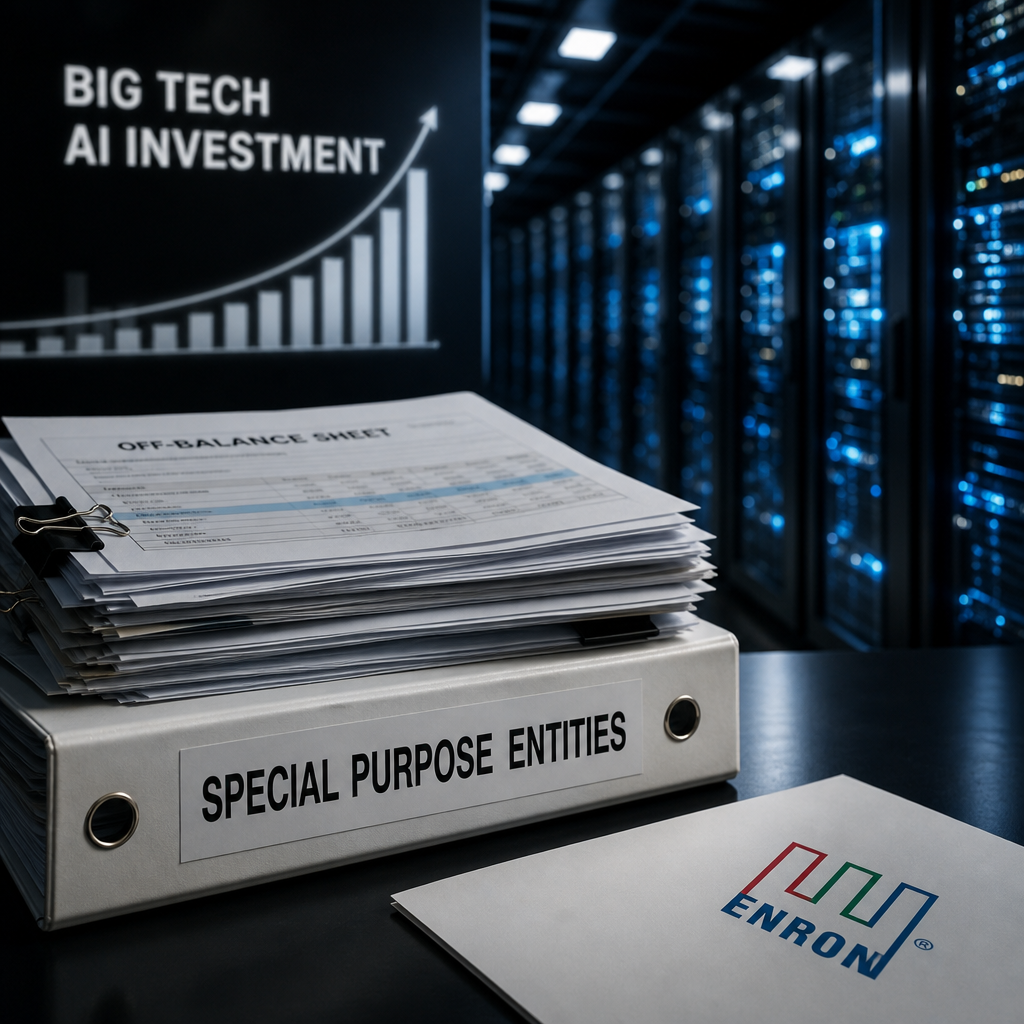
Enron’s downfall was a symphony of unethical accounting practices designed to inflate profits and hide debt. Special Purpose Entities (SPEs) were used to deceive investors, painting a rosy picture of financial health.
Today’s tech giants, in their quest for AI supremacy, might be treading a similar path. This could involve using complex financial instruments and creative bookkeeping to show better-than-actual performance.
Understanding Special Purpose Entities
- Purpose: Used to isolate financial risk.
- Benefit: Provides flexibility in managing assets and liabilities.
- Risk: Potentially hides the true financial status from regulators and stakeholders.
Financial Risks Involved
The use of SPEs in accounting is a double-edged sword. While they can enhance financial strategy, misuse can lead to financial disasters.
Transparency is crucial. Stakeholders need to be vigilant about where finances are truly allocated in AI projects.
The Role of Regulatory Bodies
Regulation plays a vital role in ensuring ethical practices. Post-Enron, accounting standards were enforced to curb malpractice.
However, as AI brings complex financial structures into the spotlight again, regulatory bodies must adapt to these new challenges swiftly.
Lessons from Enron for Today’s Giants
The lessons from Enron’s collapse are numerous: transparency, ethical accounting, and the importance of oversight.
Tech companies, enamored by AI’s potential, must heed these lessons to avoid repeating history’s mistakes.
| Aspect | Enron Era | Current Tech Era |
|---|---|---|
| Use of SPEs | To mask debt | Expand AI projects |
| Financial Turbulence | Collapse | Potential risk |
Conclusion: A Balanced Approach
AI’s promise is immense, but so are the responsibilities that come with managing it. As tech giants forge ahead, striking a balance between growth and ethical accounting is vital.
Future success will depend on transparency, robust regulations, and a commitment to learning from the past.