The Great Paradox: AI Promises Less Work, Yet Tech Workers Are Exhausted
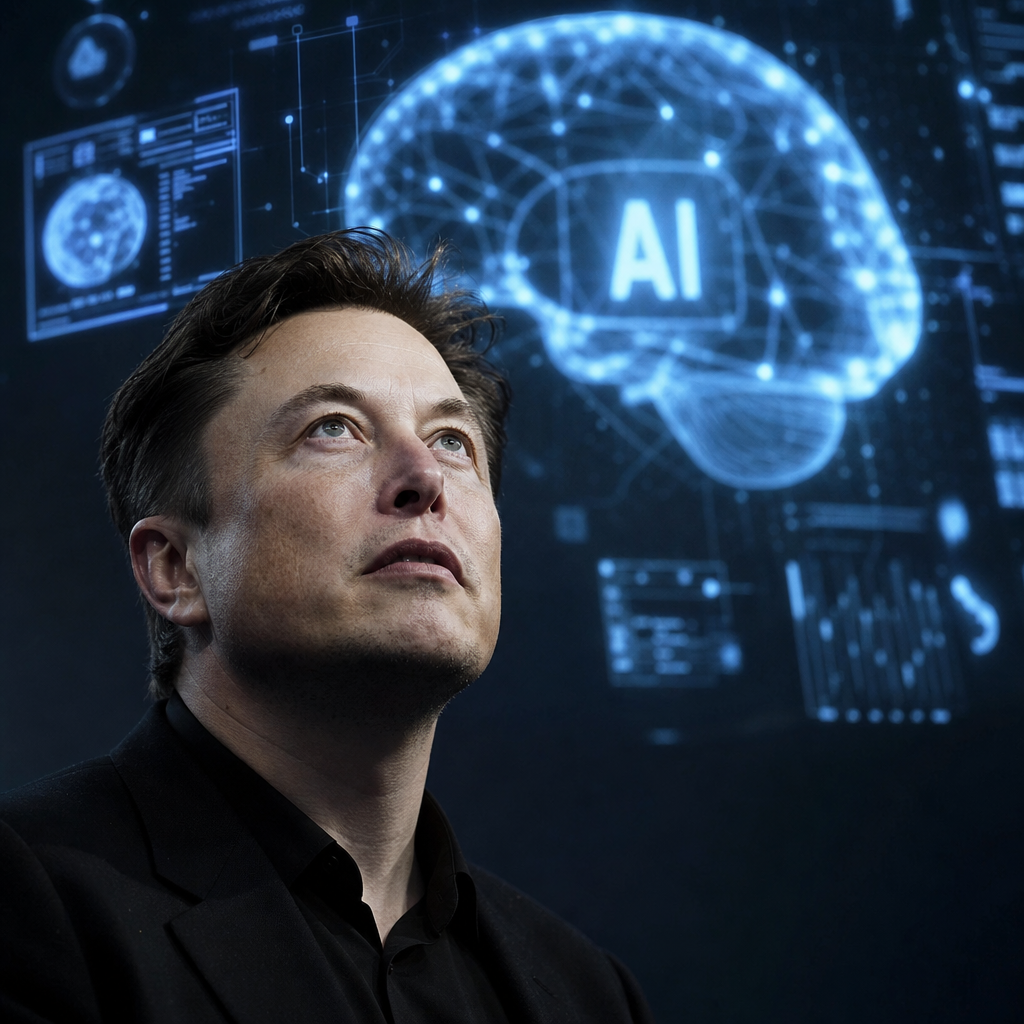
Artificial Intelligence was once heralded as the ultimate time-saving solution, poised to revolutionize industries by automating repetitive tasks and optimizing workflows. Yet, for many tech workers, the promise of less work has become a paradoxical burden. While tech leaders envision a future where every employee can enjoy shorter work hours, the reality seems starkly different for the employees in the trenches.
Across tech hubs, reports of workers clocking in 80 to 90-hour weeks have become alarmingly common. Is AI living up to its promise, or is it inadvertently driving the workforce into exhaustion? Let’s dive into the complexities behind this growing concern.

The Allure of AI and Automation
AI technologies, from chatbots to data analytics platforms, were designed to streamline operations. They aim to tackle all manner of tasks efficiently, freeing employees for more creative endeavors. The dream: automated reports, intelligent customer service, and smarter logistics leading to shorter hours and a focus on high-level thinking.
For tech leaders, AI represents innovation and improved productivity. The allure is undeniable—a digital workforce operating 24/7 without fatigue or error. But translating this potential into reality involves big challenges.
The Reality for Employees
Despite AI’s potential, tech workers still find themselves working long hours. Why? The answer may lie in the transition and adaptation phases. Implementing AI systems can require significant effort on the part of existing staff to train, monitor, and maintain.
Moreover, as AI handles simpler tasks, employees often face the pressure to tackle increasingly complex problems, leading not to reduced hours but to heightened expectations and responsibilities.
Factors Driving Longer Work Hours
- Implementation Challenges: Setting up AI systems demands intensive training periods and troubleshooting, consuming significant resources.
- High Expectations: As AI handles routine tasks, the remaining problems become complex, demanding sophisticated solutions.
- Increasing Competitiveness: With the democratization of AI, more companies are jumping on this trend, driving competition and subtle ways to increase productivity.
Balancing AI’s Benefits and Workload
The key is to find a balance between AI’s benefits and the additional workload it can inadvertently create. Ensuring that AI complements rather than complicates human effort is crucial. Companies must prioritize rolling out AI in ways that genuinely reduce workloads without side effects.
Engaging in clear communication with employees about AI’s role and impact on jobs is essential. When both parties understand the goals and limitations, a collaborative effort towards more balanced work hours can emerge.
Conclusion: The Path Forward
As AI technology continues to evolve, it holds vast potential to transform workplaces. However, without mindful implementation, its promise of reduced labor may remain unrealized. Collaboration between tech leaders and their teams is crucial to harnessing AI effectively.
By understanding the roots of extended work hours and creating strategies to address them, companies can begin to fulfill the potential of AI for a more balanced and fulfilling work environment.